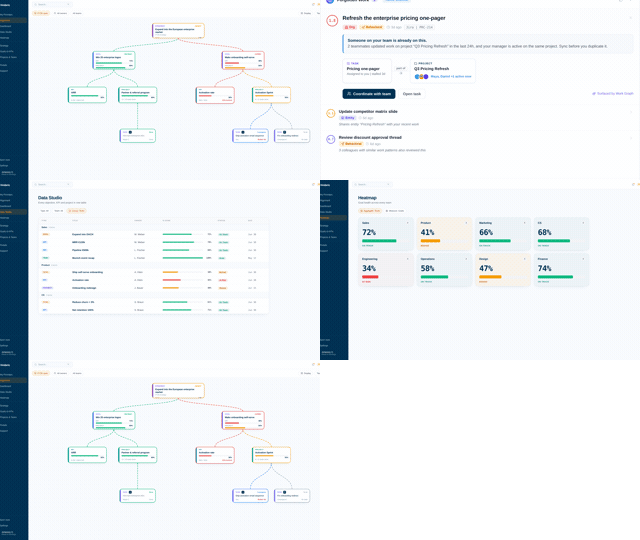
Keep the portfolio honest, without chasing owners for a number.
Real progress and context should come straight from the project tools, not from a percentage someone typed under pressure. Vindaris pulls status from the work, so your reports reflect what is actually happening.
Portfolio control, one moment at a time.
The portfolio does not go off track in the steering committee. It drifts in the weeks between. Vindaris watches each one so your view stays true.
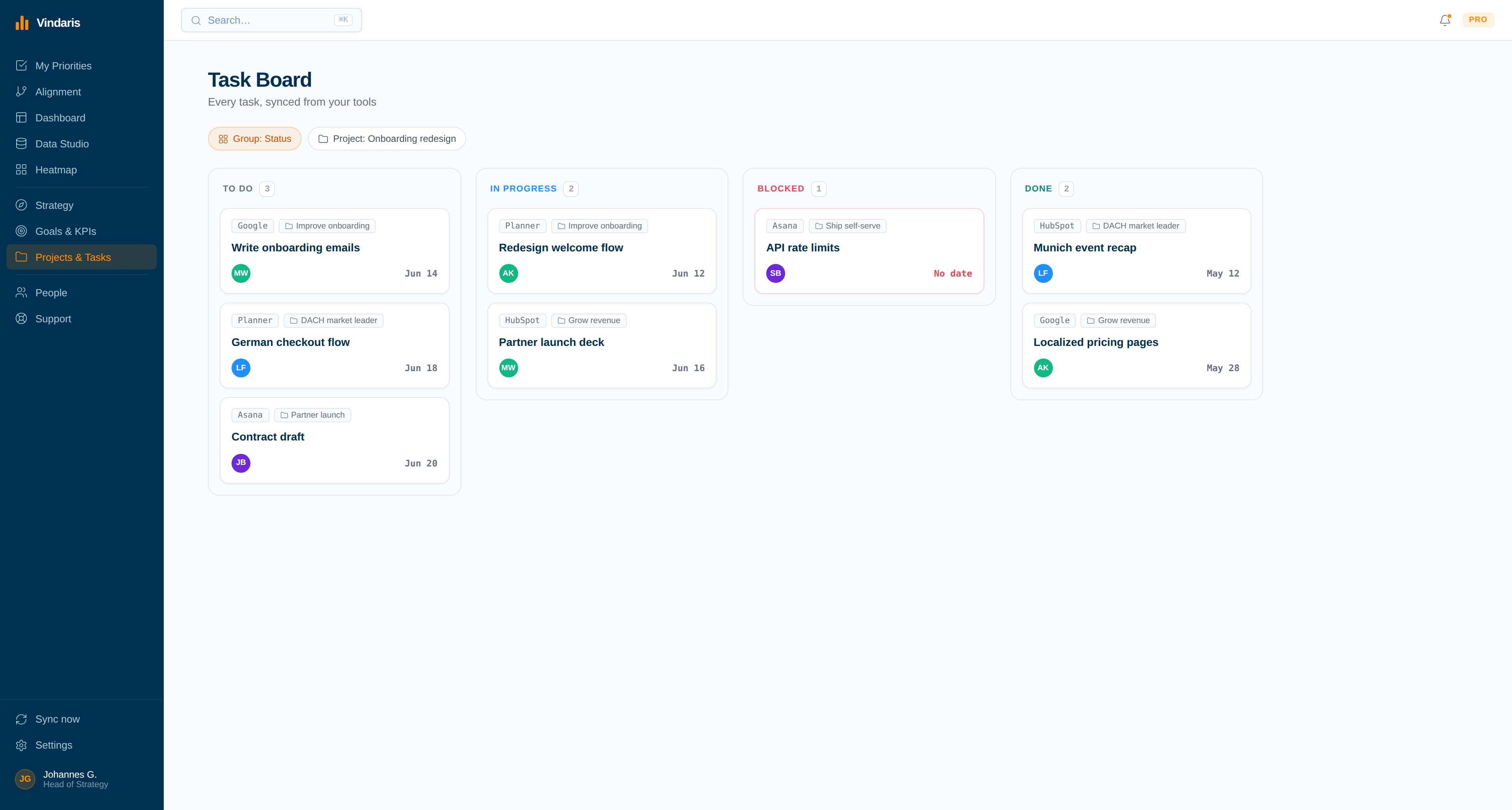
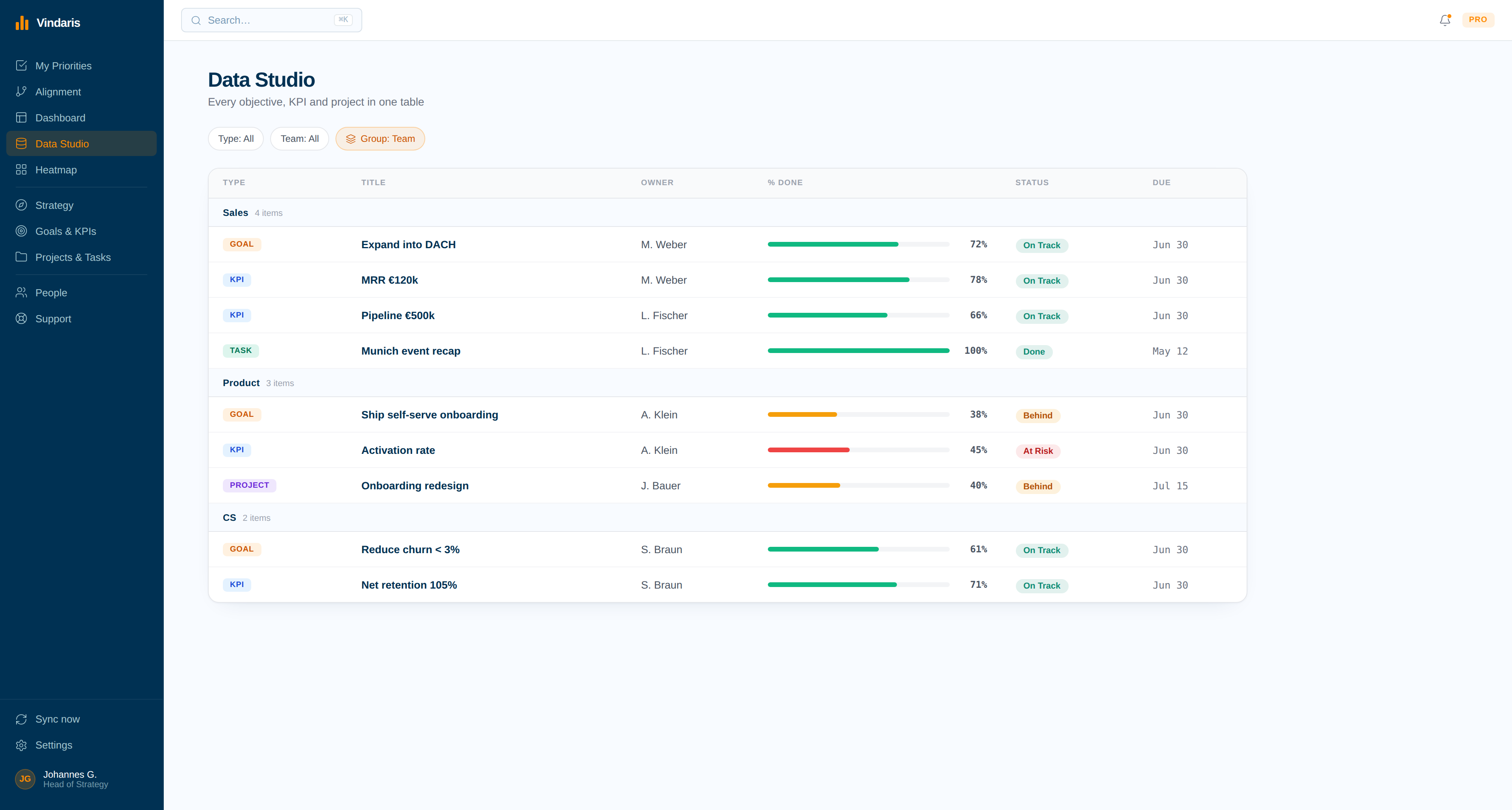
Portfolio status that comes from the work, not a form.
The PMO's hardest job is getting accurate status without becoming the bottleneck that collects it. Vindaris connects to the tools teams already work in, so status updates itself and your time goes to the portfolio instead of the spreadsheet.
Progress rolls up from the actual work as it moves. Owners stop typing a percentage into a form and you stop chasing them for it.
Vindaris connects into the project management apps your teams already use, so an update carries the real task context, not just a number on a slider.
Because the integration is deep, you see what actually changed under each item. The depth is there without anyone writing a status narrative by hand.
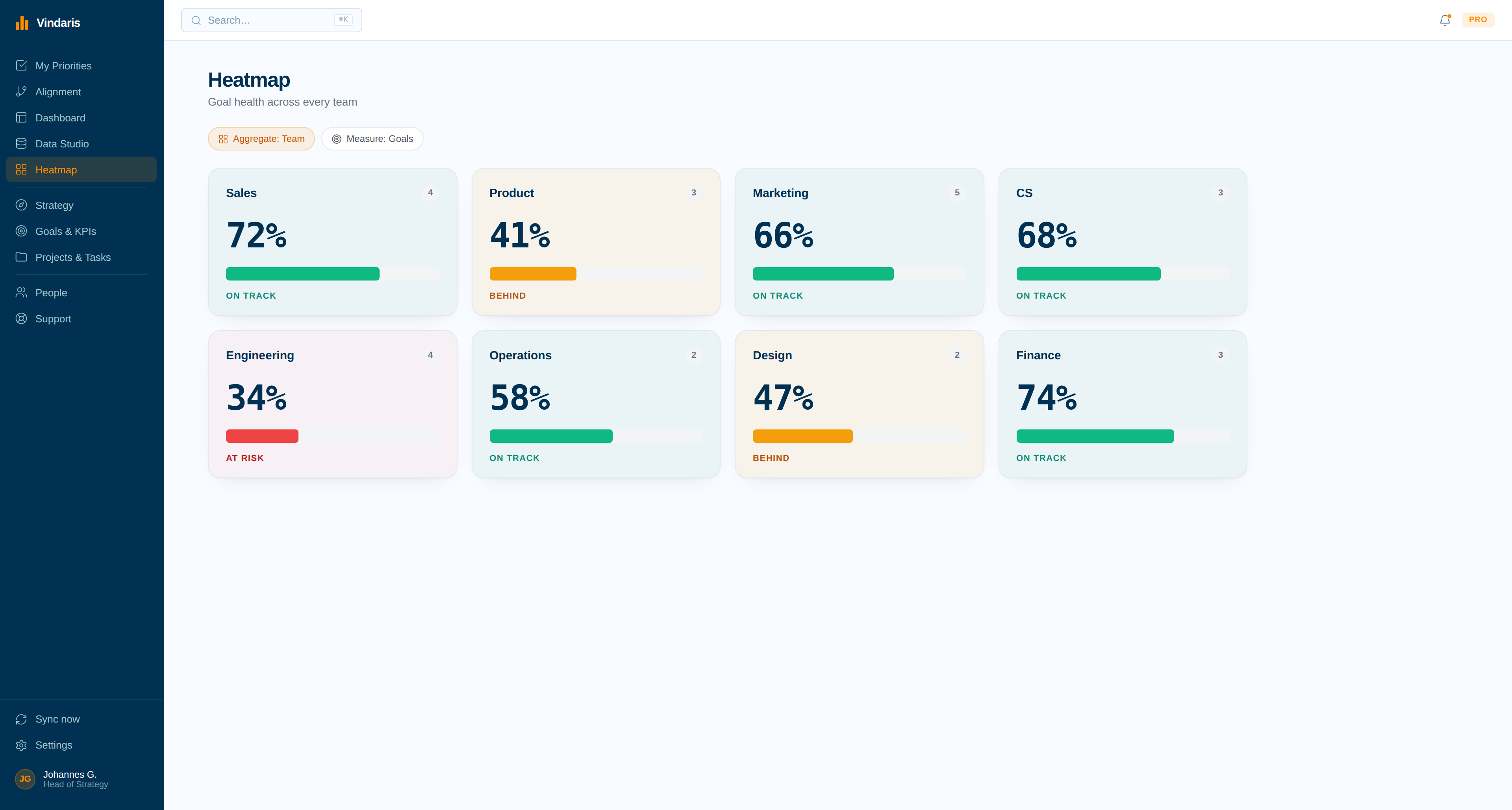
Build the operational report your delivery teams need and the rolled-up view management wants from the same live data.
Generate a written summary of where the portfolio stands for yourself or for leadership, drawn from the work rather than assembled by hand.
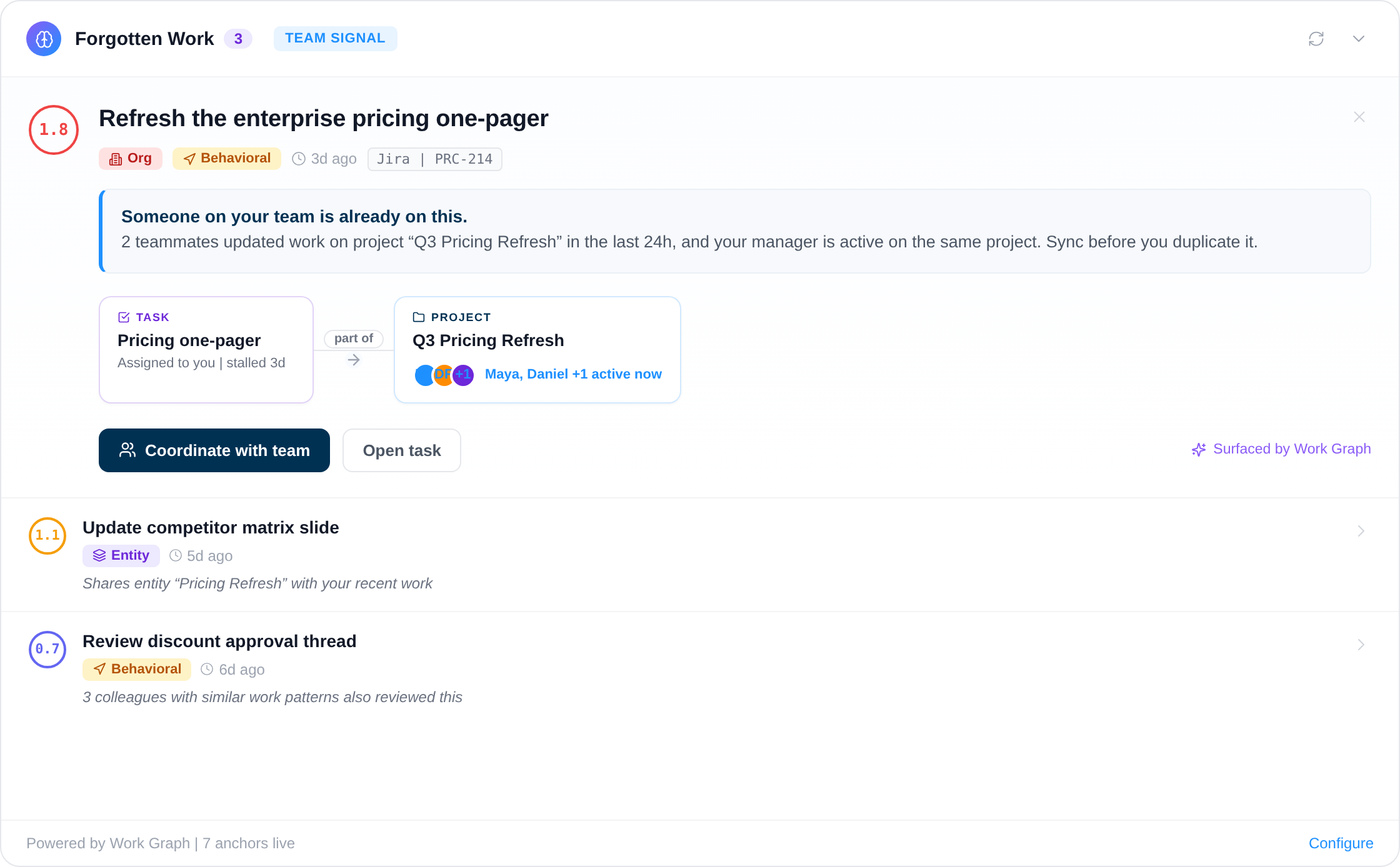
Get alerted when an item slips, early enough to clear the path before it blocks everything downstream of it.
Five days without chasing a status update.
A PMO week usually disappears into collecting and reconciling status. This is what it looks like when the status collects itself.
Review automated status
The portfolio status is already current, pulled from the project tools over the weekend. You read where things stand instead of sending a round of update requests.
Dig into the context
An item looks stuck. Because the integration is deep, you open it and see the actual tasks behind it, not a percentage. You understand the holdup without a single call.
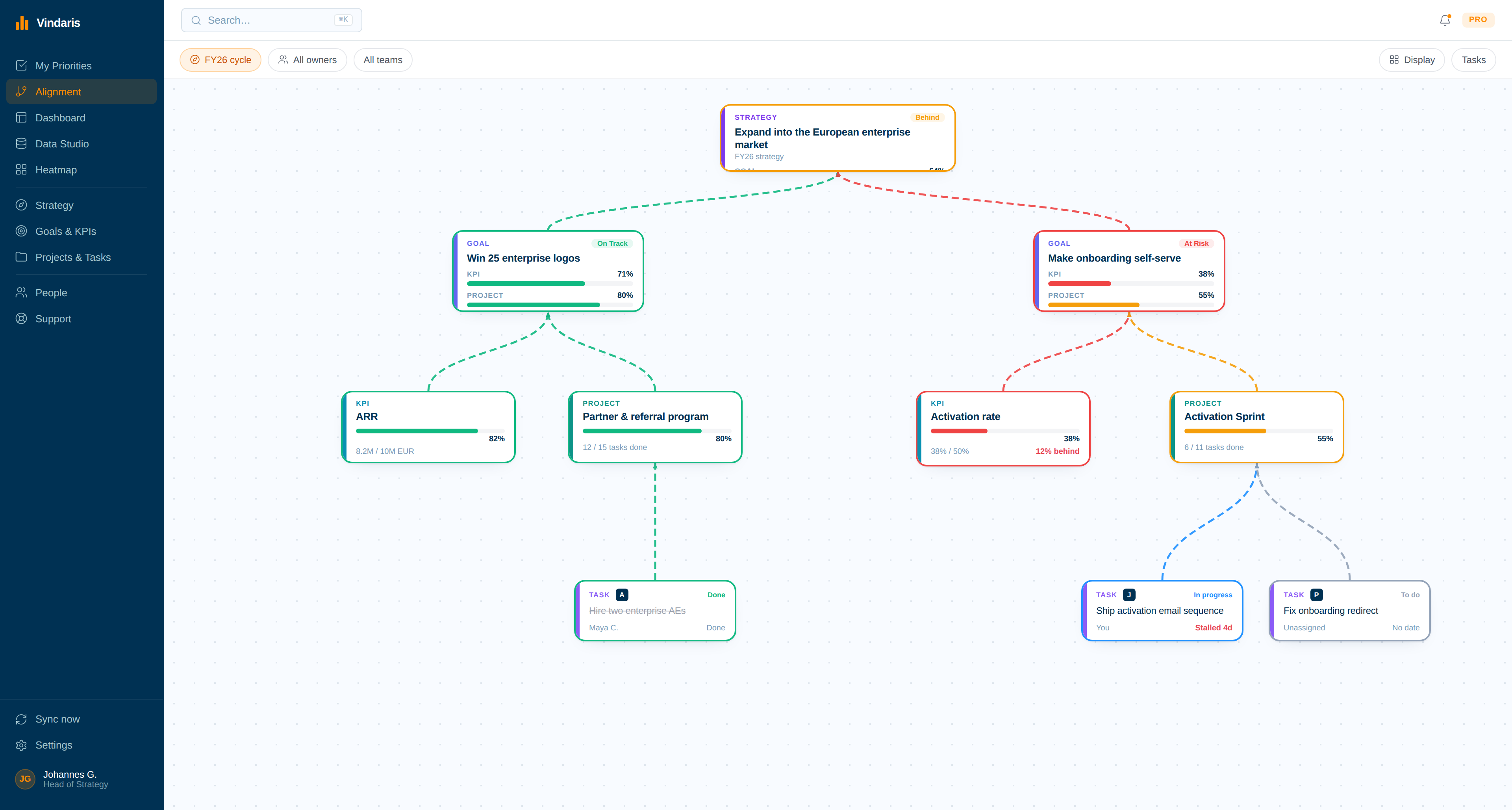
Clear a risk before it blocks
A risk alert fires on a dependency that has slipped. You reroute the work and flag the owner before it blocks the three items waiting on it.
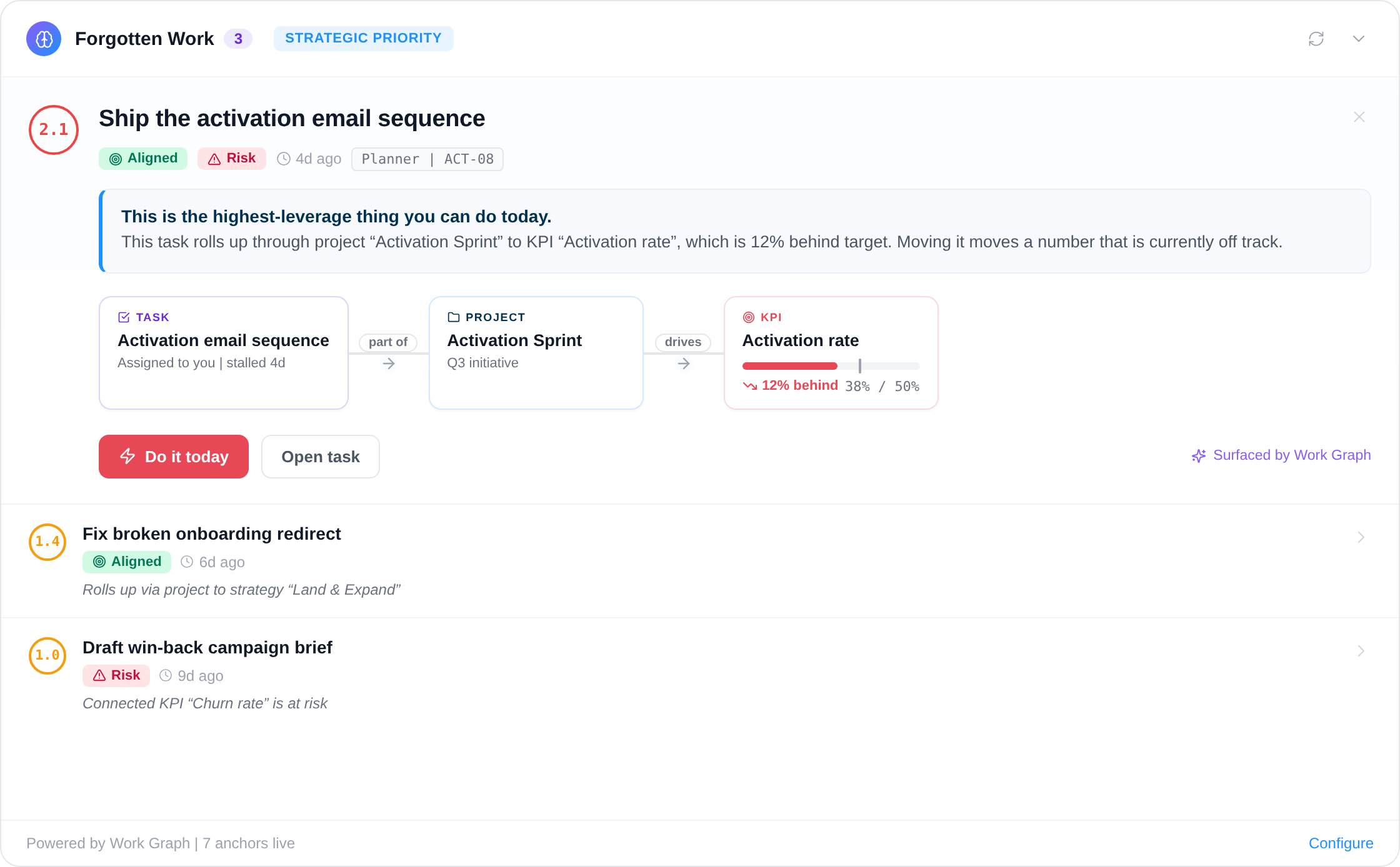
Build the management report
Leadership needs a portfolio read. You generate the report and an AI summary from live data, and send the operational version to delivery teams from the same source.
Close the week clean
Everything is reconciled because nothing was ever entered by hand. You spend Friday on the portfolio's real risks, not on rebuilding its status.
Stop collecting status. Start managing the portfolio.
The PMO spends most of its week on the least valuable part of the job: collecting status. Owners type a percentage into a form, the number means whatever they decided it meant, and you reconcile a dozen of them into a report that is stale by the time it ships. The real context lives in the project tools, but pulling it out by hand is a job in itself, so the report ends up thin.
Vindaris connects deep into the project management apps your teams already use. Progress rolls up automatically and carries the real task context, so an update is not a bare percentage but the actual state of the work. Reports and AI summaries are built from that live data for both delivery teams and management, and risk alerts catch a slip before it becomes a block. The PMO stops being the bottleneck for status and becomes the function that manages portfolio risk.
The portfolio flags itself before you chase it.
You stop pinging owners for a number. The Work Graph watches every project against the goals it serves and sends the alert the moment a task stalls, a milestone slips, or a metric starts trailing, with the reason attached so the follow-up writes itself.
Free forever, including two integrations
Start free with full portfolio and strategy management. Add two integrations to sync tasks. Pay only when you add more than 4 people, need more integrations, or more AI summaries.
Best for individual contributors, small teams or startups. No credit card required.
- All features (incl. Alignment Canvas, My Priorities, Heatmap, Data Studio & Task Board)
- Set up 2 integrations of your choice
- Invite up to 4 additional members
- 5 ad-hoc AI risk summaries per month
Best for teams, small agencies, or departmental and team management.
- All in Free
- All integrations, unlimited sync
- Unlimited AI risk summaries & alignment suggestions
- Up to 10 users within one organization
Best for multiple teams, exec teams, or full-org deployments.
- All in Connect
- Unlimited users within one organization
- Direct human support email, 24h response time
- Human-led onboarding support
Free resources for this topic
A template you can download, a playbook to run, and the thinking behind both. No email required.
More on status that comes from the work, not a form.
Two reads on why portfolio status arrives washed clean, and what changes when it is derived instead of reported.
Red projects arrive at the PMO door and leave amber. The PMO is not producing status, it is laundering it, because the structure they sit inside makes anything else impossible.
A portfolio that is somehow always on track is not reassurance, it is a sign the signal has been smoothed away before it reached anyone who could act.
Common questions, answered
How does a PMO use Vindaris?
How does Vindaris remove manual status updates?
What does deep project-tool integration give the PMO?
Does Vindaris alert the PMO before work blocks?
What should PMO reporting software pull its numbers from?
Let the status update itself.
Connect your first tool in 90 seconds. Free forever for goal management.
Run your week on VindarisNo credit card | No migration | No minimum contract